Choosing the Best Care Home Dining Chair
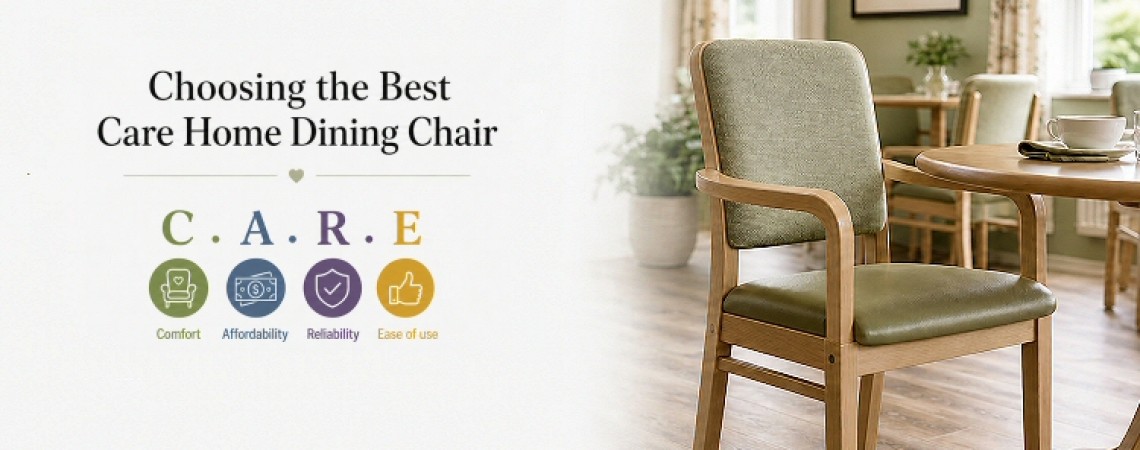
Choosing the right dining chairs for a care home is about much more than just matching them with the curtains. For many elderly residents, the dining room is the social hub of their day. A well-chosen chair can promote independence, aid digestion, and prevent falls, while a poorly chosen one can cause discomfort, anxiety, or even injury. If you are sourcing furniture for a care facility, here is a quick guide to selecting dining chairs that balance dignity, safety, and operational practicality. | |
1. Ergonomics: The mechanics of sitting down and standing up change as we age. A dining chair must actively support this transition. Armrests are Essential: Chairs without armrests are generally unsuitable for care environments. Residents rely on sturdy, forward-extended armrests to grip and push themselves up. The arms should end in a comfortable, rounded grip (often called a "hand-grip" design). Optimal Seat Height: If a seat is too low, standing requires immense leg strength. A seat height of around 18 to 19 inches (46-48 cm) is standard for elderly care, allowing feet to rest flat on the floor with knees at a 90-degree angle. Firm Cushioning: While a plush, soft chair looks comfortable, sinking into a deep cushion traps the user. High-density foam provides the necessary support and makes standing up much easier. 2. Mobility and Staff: Safety Staff frequently need to help residents slide closer to the table once seated. Dragging a standard chair with a resident in it causes friction, damages floors, and risks back injuries for the carer. Skis or Glides: Look for chairs fitted with "skis" (wooden bars connecting the front and back legs) or specialized low-friction glides. These allow the chair to be pushed forward smoothly without catching or tipping. Anti-Tip Frames: A flared rear leg design prevents the chair from tipping backward if a resident leans heavily against the backrest while trying to stand. | |
| |
3. Hygiene and Maintenance: Care home furniture takes a heavy toll from spills, daily cleaning, and occasional incontinence.Wipe-Clean Fabrics: Opt for severe-contract waterproof fabrics, faux leathers, or vinyls that are treated with antimicrobial and antifungal finishes. For guidance on how to select the most suitable upholstery fabric read: https://carehomefurniture.co.uk/blog/faux-leather-vinyl-or-printThe "Crumb Gap": The best care chairs have a small, deliberate gap between the back of the seat cushion and the backrest. This prevents crumbs, spills, and dirt from getting trapped in the crevices, making daily wipe-downs fast and hygienic.4. Dementia-Friendly Design: For residents living with dementia, spatial awareness and vision can decline. How a chair looks is just as important as how it sits.High Contrast: A chair that blends into the flooring can look like a void, causing hesitation or fear of sitting. Choose a fabric color that sharply contrasts with the dining room floor.Wood Finishes: Natural wood finishes (like oak or beech) provide a homely, non-clinical feel while offering a solid, recognizable structure for residents to grab onto.By prioritizing firmness, grip, and practical mobility over purely domestic aesthetics, you ensure that meal times remain safe, dignified, and enjoyable for every resident. | |
PLEASE CALL ON 0800 772 0936 FOR MORE INFORMATION ON HOW TO CHOOSE THE BEST CARE HOME DINING CHAIR. | |